When it comes to central air repair near me, ensuring your system is in top-notch condition is crucial for maintaining a comfortable indoor environment. From timely repairs to recognizing common issues, this guide covers everything you need to know about keeping your central air system in optimal shape.
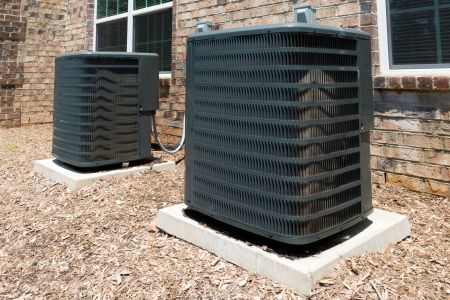
Delving into the specifics, we will explore the importance of regular maintenance, common problems that may arise, how to find reliable repair services, DIY tips versus professional help, and the costs associated with central air repair. Let’s dive in!
Importance of Central Air Repair
Timely central air repair is crucial to ensure efficient cooling and optimal performance of your HVAC system. Ignoring repair issues can lead to a range of consequences that can affect both your comfort and budget.
Potential Consequences of Neglecting Central Air Repair
- Decreased cooling efficiency, leading to higher energy bills.
- Strain on the system, resulting in more frequent breakdowns and costly repairs.
- Poor air quality due to clogged filters or malfunctioning components.
- Shortened lifespan of the central air unit, requiring premature replacement.
Preventive Maintenance for Major Repair Issues
Regular maintenance of your central air system can help prevent major repair issues and extend the lifespan of your unit. By scheduling routine inspections and tune-ups, you can identify and address minor problems before they escalate into costly repairs.
Common Central Air Problems
When it comes to central air systems, there are a few common problems that homeowners may encounter. Recognizing these issues early on can help prevent further damage and ensure your system is running efficiently.
1. Poor Airflow
Poor airflow is a common issue in central air systems and can be caused by clogged filters, ductwork issues, or a malfunctioning fan. Signs of poor airflow include uneven cooling throughout your home and weak airflow from the vents.
2. Refrigerant Leaks
Refrigerant leaks can lead to a lack of cooling in your home and may indicate a more serious problem with your central air system. Signs of a refrigerant leak include warm air blowing from the vents, ice buildup on the evaporator coil, and a hissing sound coming from the unit.
3. Strange Noises
If you hear strange noises coming from your central air system, such as banging, clanking, or squealing, it could be a sign of a mechanical issue. Ignoring these noises can lead to further damage and potentially costly repairs.
4. Thermostat Problems
Issues with the thermostat can cause your central air system to run inefficiently or not at all. Signs of thermostat problems include inaccurate temperature readings, frequent cycling on and off, or unresponsive controls.
5. Electrical Malfunctions
Electrical malfunctions in a central air system can pose a safety hazard and should be addressed by a professional. Signs of electrical issues include tripped circuit breakers, flickering lights when the system is running, or burning smells coming from the unit.
Finding Reliable Repair Services
When it comes to finding reliable central air repair services, there are several factors to consider to ensure you choose the right company for the job. From reviews and pricing to expertise and credibility, here are some tips to help you make an informed decision.
Factors to Consider When Choosing a Central Air Repair Service
- Reviews: Look for online reviews and testimonials from previous customers to get an idea of the quality of service provided by the repair company.
- Pricing: Compare quotes from different repair service providers to ensure you are getting a fair price for the work needed.
- Expertise: Check the experience and qualifications of the technicians who will be working on your central air system to ensure they have the necessary skills to handle the repair.
Comparing Repair Service Providers
- Reviews: Compare the reviews and ratings of different repair companies to see which ones have a good reputation for quality service.
- Pricing: Request quotes from multiple providers and compare them to find a balance between affordability and quality of service.
- Expertise: Look for repair companies with technicians who are certified and experienced in working on central air systems to ensure the job is done right.
Verifying the Credibility of a Central Air Repair Company
- Check for proper licensing and insurance to ensure the repair company is legitimate and accountable for any issues that may arise during the repair process.
- Ask for references or referrals from past customers to get an idea of the repair company’s track record and customer satisfaction.
- Verify the company’s credentials and certifications to ensure they have the necessary training and expertise to handle your central air repair needs.
DIY vs. Professional Repair
When it comes to central air repair, homeowners often find themselves debating whether to tackle the issue themselves or hire a professional. While some simple repairs can be done DIY, there are instances where professional help is essential to ensure the safety and efficiency of your central air system.
Simple Central Air Repairs for Homeowners
- Changing the air filter: One of the most common issues with central air systems is a clogged air filter. Homeowners can easily replace the air filter to improve airflow and overall system performance.
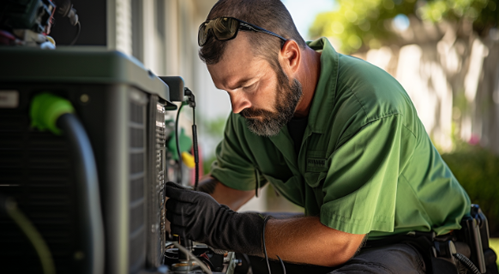
- Cleaning the condenser unit: Regularly cleaning the condenser unit can help prevent dirt and debris buildup, ensuring optimal cooling efficiency.
- Checking the thermostat: Sometimes, central air problems can be as simple as a misconfigured thermostat. Homeowners can troubleshoot thermostat settings before calling in a professional.
When to Hire a Professional
- Refrigerant leaks: Handling refrigerant is dangerous and requires specialized equipment. If you suspect a refrigerant leak, it’s best to leave it to the professionals.
- Electrical issues: Central air systems involve complex electrical components that can be hazardous to work on without proper training. Professional electricians are equipped to handle these repairs safely.
- Complex mechanical problems: When it comes to major components like the compressor or blower motor, it’s best to hire a professional with the expertise to diagnose and repair these issues effectively.
Attempting complex repairs without professional help can lead to further damage, void warranties, and pose safety risks.
Cost of Central Air Repair
When it comes to central air repair, understanding the costs involved is crucial for budgeting and planning. Here, we will break down the typical costs associated with central air repair and provide insights on how pricing may vary based on the repair needed.
We will also share tips on how to budget for unexpected central air repair expenses.
Typical Costs of Central Air Repair
- Diagnostic Fee: Usually ranges from $75 to $200, depending on the HVAC company.
- Parts Replacement: Costs can vary widely based on the type and brand of the part needed, ranging from $50 to $1500.
- Labor Costs: HVAC technicians typically charge an hourly rate of $75 to $200, depending on the complexity of the repair.
- Refrigerant Refill: This can cost between $200 to $600, depending on the amount of refrigerant needed.
Factors Affecting Pricing
- Extent of Damage: The more extensive the repair needed, the higher the cost.
- Age of the System: Older central air systems may require more expensive repairs due to outdated parts.
- Location: Prices may vary based on the region and local competition among HVAC companies.
- Emergency Repairs: Urgent repairs outside of regular business hours may incur higher costs.
Tips for Budgeting Unexpected Expenses
- Set aside a portion of your budget for home maintenance, including central air repair.
- Consider purchasing a home warranty or service contract to help cover unexpected repair costs.
- Get regular maintenance checks to catch potential issues early and avoid costly repairs.
- Research and compare prices from different HVAC companies to ensure you are getting a fair deal.
Conclusive Thoughts
In conclusion, central air repair near me is a critical aspect of maintaining a functional and efficient cooling system for your home or business. By understanding the significance of timely repairs, recognizing common issues, and knowing how to find reliable services, you can ensure your central air system operates smoothly for years to come.
Take the necessary steps to address any repair needs promptly and enjoy a cool and comfortable indoor environment throughout the year.
Question Bank
Can I neglect central air repair?
Neglecting central air repair can lead to major issues like system breakdowns, decreased efficiency, and higher energy bills. It’s important to address repair needs promptly.
How do I choose a reliable central air repair service?
Consider factors such as reviews, pricing, expertise, and credibility when selecting a repair service. Look for licensed professionals with a proven track record of quality work.
What are the typical costs associated with central air repair?
Costs vary based on the repair needed, but they can include labor, parts, and any additional services required. It’s essential to budget for unexpected repair expenses.