Delving into the world of fire resistant siding materials, this guide aims to provide a detailed overview of the various types, benefits, installation processes, and maintenance tips. Whether you’re a homeowner looking to enhance safety or a builder seeking efficient solutions, this comprehensive discussion has you covered.

Types of Fire-Resistant Siding Materials
When it comes to fire-resistant siding materials, there are several options available on the market. Each type has its own unique characteristics that contribute to its effectiveness in resisting fire.
1. Fiber Cement Siding
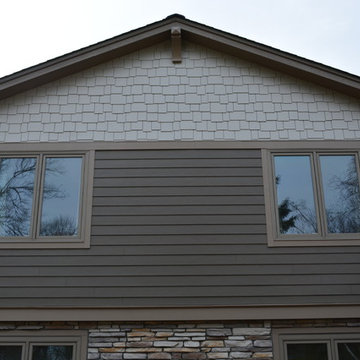
Fiber cement siding is a popular choice for fire resistance due to its composition of cement, sand, and cellulose fibers. This material is non-combustible and can withstand high temperatures without igniting. Additionally, fiber cement siding is resistant to moisture, pests, and rot, making it a durable option for homes.
2. Metal Siding
Metal siding, such as steel or aluminum, is another fire-resistant option for homeowners. Metal siding is non-combustible and will not contribute to the spread of fire. It is also known for its durability and low maintenance requirements, making it a long-lasting choice for protecting homes against fire damage.
3. Brick Siding
Brick siding is a classic choice for fire resistance, as bricks are naturally fire-resistant materials. The thermal mass of brick helps to slow down the spread of fire and provides excellent insulation for homes. While brick siding may be more expensive than other options, its longevity and fire-resistant properties make it a worthwhile investment.
4. Stucco Siding
Stucco siding is another fire-resistant material that is made from cement, sand, and lime. Stucco is non-combustible and can help protect homes from fire damage. It is also resistant to pests and moisture, making it a low-maintenance choice for homeowners looking for fire-resistant siding options.
5. Stone Veneer Siding
Stone veneer siding offers the aesthetic appeal of natural stone while providing fire resistance for homes. This material is made from a thin layer of natural stone attached to a backing material, offering the look of stone without the weight and cost.
Stone veneer siding is durable and can withstand high temperatures, making it a fire-resistant option for homeowners.
Installation of Fire-Resistant Siding Materials
To ensure the proper installation of fire-resistant siding materials, it is essential to follow a step-by-step guide and adhere to best practices. Additionally, maintaining the fire-resistant properties post-installation is crucial for the longevity and effectiveness of the siding.
Step-by-Step Guide
- Prepare the surface: Ensure the surface where the siding will be installed is clean, dry, and free of debris.
- Measure and cut the siding: Accurately measure the dimensions of the area and cut the siding panels accordingly to fit the space.
- Install the starter strip: Begin by installing the starter strip at the bottom of the wall to provide a secure base for the siding panels.
- Attach the siding panels: Securely fasten the siding panels to the wall using appropriate fasteners, following the manufacturer’s guidelines.
- Overlap and interlock: Ensure that each siding panel overlaps and interlocks with the adjacent panels to create a seamless and fire-resistant barrier.
- Finish with trim: Complete the installation by adding trim pieces around windows, doors, and corners for a polished look and added fire protection.
Best Practices for Proper Installation
- Follow manufacturer instructions: Always refer to the manufacturer’s guidelines for installation to ensure proper techniques and materials are used.
- Use appropriate tools: Utilize the correct tools and equipment for the installation process to prevent damage to the siding and ensure a secure fit.
- Inspect for gaps: Regularly inspect the siding for any gaps or damage that could compromise its fire-resistant properties and make necessary repairs promptly.
Maintaining Fire-Resistant Properties
- Clean regularly: Keep the siding clean by washing it with mild soap and water to remove dirt and debris that could hinder its fire resistance.
- Inspect for damage: Periodically inspect the siding for any signs of wear, damage, or deterioration, and address any issues promptly to maintain its fire-resistant capabilities.
- Reapply sealant: If the siding has a protective sealant, follow the manufacturer’s recommendations for reapplication to ensure continued fire resistance.
Benefits of Using Fire-Resistant Siding Materials
Fire-resistant siding materials offer a range of benefits that go beyond just protecting a building from fire hazards. These materials are designed to enhance safety, reduce maintenance costs, and provide long-term durability for the structure.
Enhanced Safety Features
- Fire-resistant siding materials act as a barrier against flames, helping to slow down the spread of fire in case of an emergency.
- These materials can prevent the ignition of the siding itself, reducing the risk of a fire starting from the exterior of the building.
- By using fire-resistant siding, occupants have more time to evacuate safely during a fire, potentially saving lives.
Long-Term Cost Savings
- While fire-resistant siding materials may have a higher initial cost, they can lead to significant savings in the long run by reducing the risk of fire damage.
- Insurance premiums for buildings with fire-resistant siding are often lower, as they are considered less risky by insurance companies.
- These materials are also more durable and require less maintenance, saving money on repairs and replacements over time.
Testing and Certification of Fire-Resistant Siding Materials
When it comes to fire-resistant siding materials, testing and certification play a crucial role in ensuring the safety and effectiveness of these products.Explainatory paragraph on testing procedures and importance of certifications.
Testing Procedures for Fire-Resistant Siding Materials
- One of the common tests used to determine the fire resistance of siding materials is the ASTM E84 test, also known as the Standard Test Method for Surface Burning Characteristics of Building Materials.
- This test evaluates the flame spread and smoke development of a material when exposed to fire, providing valuable information on how a siding material will perform in a fire scenario.
Importance of Certifications for Fire-Resistant Siding Materials
- Certifications for fire-resistant siding materials are essential as they indicate that the product has undergone rigorous testing and meets specific safety standards set by regulatory bodies.
- Having a certification gives homeowners and builders peace of mind, knowing that the siding material they are using has been proven to withstand fire and contribute to the overall safety of the property.
Recognized Certifications in the Industry
- One of the most recognized certifications for fire-resistant siding materials is the Underwriters Laboratories (UL) certification. UL tests products for fire resistance and other safety criteria to ensure they meet industry standards.
- Another important certification is the National Fire Protection Association (NFPA) 285 certification, which specifically focuses on the fire performance of exterior wall assemblies.
Maintenance and Care of Fire-Resistant Siding Materials
Proper maintenance and care of fire-resistant siding materials are essential to ensure their longevity and effectiveness in protecting your home from fire hazards.
Maintenance Schedule for Fire-Resistant Siding Materials
- Inspect the siding regularly for any signs of damage, such as cracks or warping.
- Clean the siding at least once a year to remove dirt, debris, and other buildup that can compromise its fire-resistant properties.
- Check for any gaps or openings where embers could potentially enter and ignite the siding.
- Ensure that any vegetation around the siding is properly maintained to reduce the risk of fire spreading to the siding.
Cleaning Methods for Preserving Fire-Resistant Properties
- Use a mild detergent and water solution to clean the siding, avoiding harsh chemicals that can damage the fire-resistant coating.
- Rinse the siding thoroughly with clean water after cleaning to remove any residue.
- Avoid using pressure washers or abrasive scrubbers that can scratch or wear down the fire-resistant coating.
- Inspect the siding after cleaning to ensure that it is still in good condition and functioning as intended.
Common Issues and How to Address Them
- Moisture Damage: If moisture gets trapped behind the siding, it can compromise the fire-resistant properties. Ensure proper ventilation and address any leaks promptly.
- UV Damage: Prolonged exposure to sunlight can degrade the fire-resistant coating. Consider applying a UV-protective sealant to maintain the effectiveness of the siding.
- Physical Damage: Accidental impacts or harsh weather conditions can cause damage to the siding. Repair any cracks or dents immediately to prevent further deterioration.
- Mold and Mildew: Keep the siding clean and dry to prevent the growth of mold and mildew, which can affect the fire-resistant properties. Use mold-inhibiting cleaners if necessary.
End of Discussion
In conclusion, fire resistant siding materials offer a crucial layer of protection for buildings, ensuring safety and durability in the face of potential fire hazards. By understanding the different types, installation methods, benefits, and maintenance practices, individuals can make informed decisions to safeguard their properties.
Stay informed, stay safe.
FAQ Guide
What are some common types of fire-resistant siding materials?
Common types include fiber cement, metal, and fire-retardant-treated wood siding.
How do fire-resistant siding materials enhance building safety?
These materials reduce the risk of fire spreading and provide added time for evacuation in case of emergencies.
What certifications should one look for in fire-resistant siding materials?
Look for certifications from organizations like ASTM, UL, and NFPA to ensure quality and reliability.
What is the recommended maintenance schedule for fire-resistant siding materials?
Regular inspections and cleaning every 6-12 months are recommended to maintain their fire-resistant properties.